Legal
Are Ejido Lands a Good Investment?
As with any real estate investment, the purchase of land involves getting information and comparing the options available in the market. The purchase process is
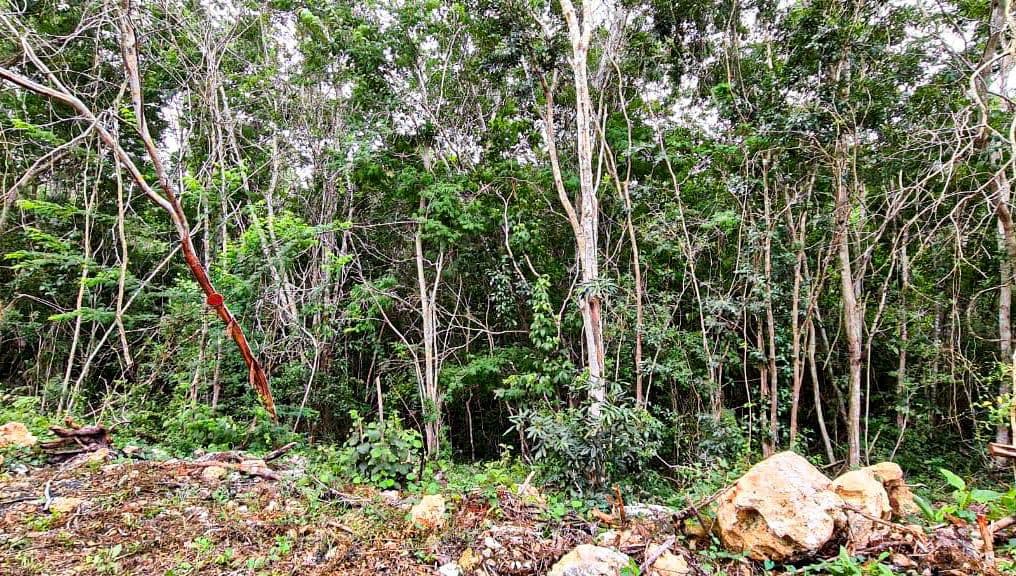
As with any real estate investment, buying land starts with gathering information and comparing the options available in the market. Doing the homework before purchasing is fundamental to understanding the long-term benefits — and the risks. Ejido land can look like the most convenient option due to its low cost, but it is rarely the best one because of the legal problems it carries.
In this article we will talk about ejido land, private properties and the options that best fit what you are looking for.
What is ejido land?
Ejido lands are portions of land that the government grants to the inhabitants of an area to carry out the activities and projects that the Ejidal Assembly determines, based on the needs of the community (for example, schools, hospitals or parks). This land is characterized as collective or municipal in use: the state grants a group of people the rights to work it.
As a result, ejido land has no private owner — only ejidatarios. These activities can be divided into three types:
- Parceled land: the same land is shared by one or several ejidatarios.
- Common-use land: an extension of land destined for the economic sustenance of a community.
- Land for human settlements: an area assigned for the development of community life, usually located in an urbanized zone and with a legal background.
In Mexico there are more than 5.6 million ejidatarios — a little more than half of the country's land is in the possession of ejidos and agrarian communities. In most cases, ejido land is used for agricultural or livestock activities.
How an ejido is governed
In the Mexican Republic, the ejido is made up of three main bodies:
- Ejidal Assembly.
- Ejidal Commissariat.
- Oversight Council.
Article 23 of the Agrarian Law gives the Ejidal Assembly authority over the delimitation, allocation and use of ejido land. This means the Assembly can grant ejidatarios full rights over their plots, removing them from the ejidal regime and placing them under the private property regime.
Differences between ejido land and private property
Although both are extensions of land, they differ in use and modality. The differences can be grouped into four main categories.
1. Ownership and title
Private property has the deeds that guarantee possessory rights. To take possession of privately owned land, the property must be deeded in the name of the new owner and the change of ownership recorded in the Public Registry of Property.
Ejido land does not have a public deed in the name of a private individual. It belongs to the state or municipality and is assigned to an ejidatario for a specific use, with stipulated terms and conditions. It cannot be bought or sold; it can only be transferred to other ejidatarios.
2. Documentation
Legal private land must be registered in the Public Registry of Property and have a corresponding deed, in order to obtain a title that guarantees full possession of the land. Ejido lands hold only a certificate of land rights, whose only function is to authorize the ejidatarios to use the land granted to them by the state — it does not accredit them as owners.
This certificate sometimes leads ejidatarios to believe they have property rights and to try to sell the land, but the practice is not legal.
3. The owner
Since ejido lands are government-owned, they are the property of the state. Ejidatarios have no legal power to sell, inherit or rent.
Another difference is that property owners must pay an annual property tax. Ejidatarios do not have this obligation, but they must pay a contribution fee to the ejido.
4. Use
Privately owned land can be used to develop any project, depending on the applicable land use. Ejidal lands can only be used to develop activities specified by the Ejidal Assembly for the benefit of the population.
Can ejido land become private property?
There is an alternative for those who want to convert ejido land into private property. When ejido land is designated for residential use, it continues to belong to the municipality until the Assembly grants the land to the ejidatarios as lots. At that point, after a series of procedures, the ejidatario can acquire the rights to the land in order to sell or rent it.
Risks when buying ejido land
- These are properties that belong to the state, so their sale is illegal.
- The “sale” of ejido land is a frequent target of fraud.
- The state has the full right to expropriate the land at any time.
- Since no document guarantees ownership of these lands, there is no legal certainty to protect the investor, their rights or the property itself.
In summary
Ejido land may look attractive on price, but it lacks the legal protections that make real estate a sound long-term investment. For investors looking at the Riviera Maya, private property — fully deeded and registered — is almost always the safer and more profitable path.