Market
Mayan Train: One of the 100 Most Important Projects in Latin America
The main regions of the Yucatan Peninsula will be connected by nearly 1,500 km of rail, from its major tourist centers to its rural communities. from its major
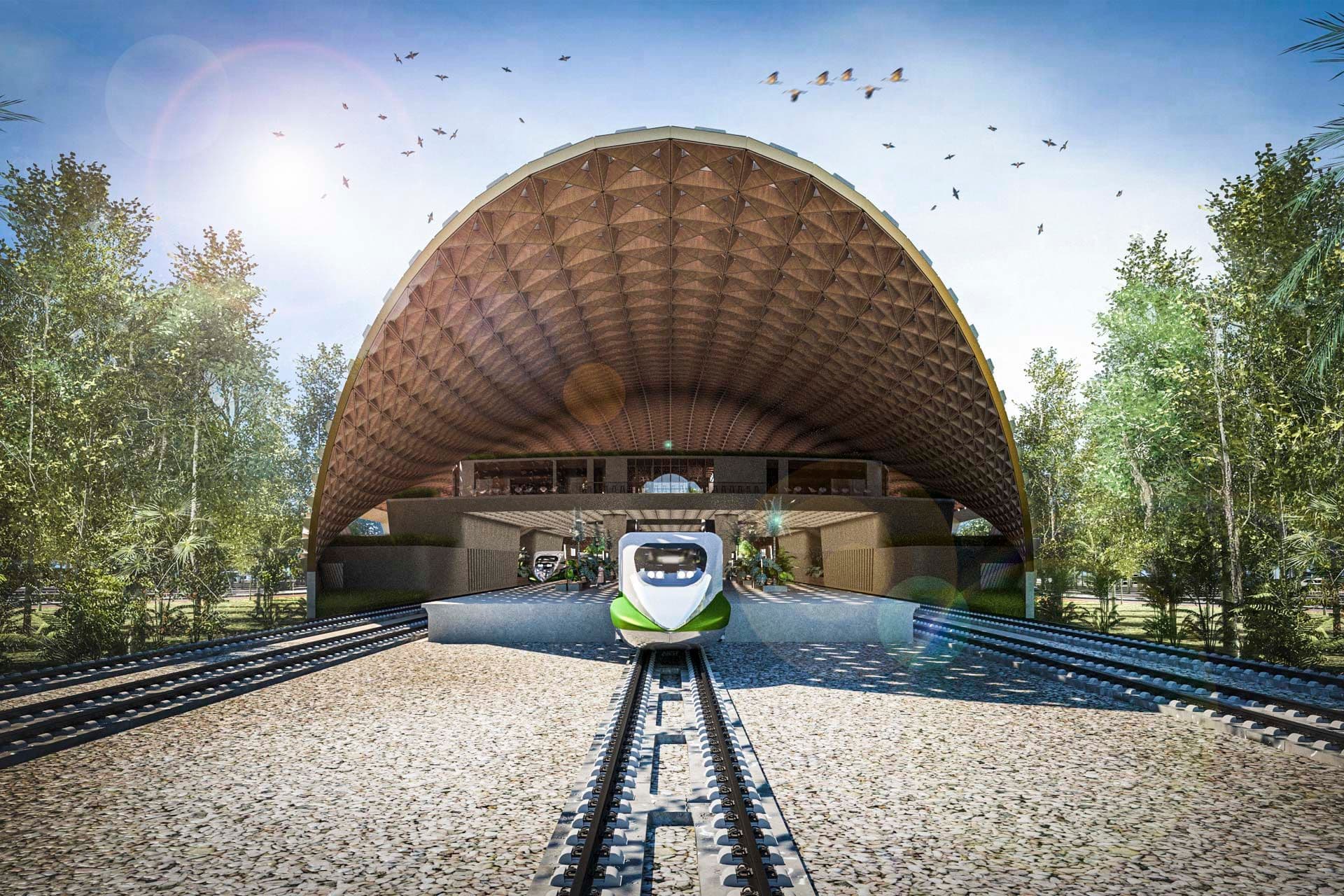
The main regions of the Yucatán Peninsula will be connected by nearly 1,500 km of rail, linking its major tourist centers to its rural communities. This will open new trade and social development opportunities for the local population, as well as for national and international tourism and local businesses.
An Integral Development Project
- Estimated project investment: 120 billion pesos from the public budget.
- Projected route: 1,460 km long with 18 stations, connecting five states: Chiapas, Tabasco, Campeche, Yucatán, and Quintana Roo. Operations will begin in 2023.
- Population benefited: 12 million inhabitants of the five states, plus an estimated 17 million tourists per year.
- It is estimated that more than 300,000 jobs will be created during construction of the tracks, train stations, and surrounding urban works, plus 100,000 indirect jobs. An additional 3,500 jobs will be created to operate and maintain the train.
- It will provide transportation services for local passengers and tourists, as well as cargo service.
Environment and Historical Heritage
- The forest and the environment will be respected. Approximately 90% of the train will be built over existing southeastern railroad tracks (from Palenque to Valladolid, 650 km), highways, and electric transmission lines.
- Programs such as Sembrando Vida will be implemented. Wildlife crossings will be built, and biological corridors and water resources (cenotes and underground rivers) will be protected.
- Environmental reserves will be protected and expanded.
- Cultural, historical, and archaeological heritage will be respected and protected. Access to archaeological zones and towns of tourist value will be facilitated.
- Sustainable practices and alternative forms of tourism will be promoted, creating gastronomic and artisanal routes.
Planning and Land Management With Community Participation
- Planning will be carried out with citizen participation.
- Respect for the environment and social inclusion will be prioritized.
- Sustainable territorial development will be promoted for the benefit of communities.
- The right to public space and mobility will be guaranteed.
- Multiple forms of association will be created so communities can take part in the benefits generated by the Mayan Train.
Economic Development
- Balanced development will be promoted, integrating communities into productive chains and incorporating small producers into new markets.
- Transportation costs will be reduced, digital connectivity increased, and access to labor markets facilitated, opening new economic opportunities for the population.
Demand and Revenue Projections
- By 2023, more than 50,000 passengers per day are estimated (57% locals and 43% tourists), close to 30 million annually.
- By 2033, daily demand is estimated at more than 140,000 passengers (32% locals and 68% tourists), close to 55 million annually.
- By 2023, daily passenger revenues are estimated at 15.7 million pesos per day, and at 47.6 million pesos by 2033.
- Local passengers will pay fares of nearly half of those paid by tourists.
- An increase in foreign exchange of about 15 billion pesos per year is estimated for the five states.
In Summary
The Mayan Train is one of the largest infrastructure projects in Latin America, designed to interconnect five southeastern states with a balance of economic, social, and environmental objectives. For investors and residents of the Riviera Maya, it represents a long-term shift in connectivity, demand, and regional value.